Women in Construction – from visibility to real representation
JMJ consultants discuss representation, leadership, and lived experiences of women in construction and capital projects for Women in Construction Week 2026.


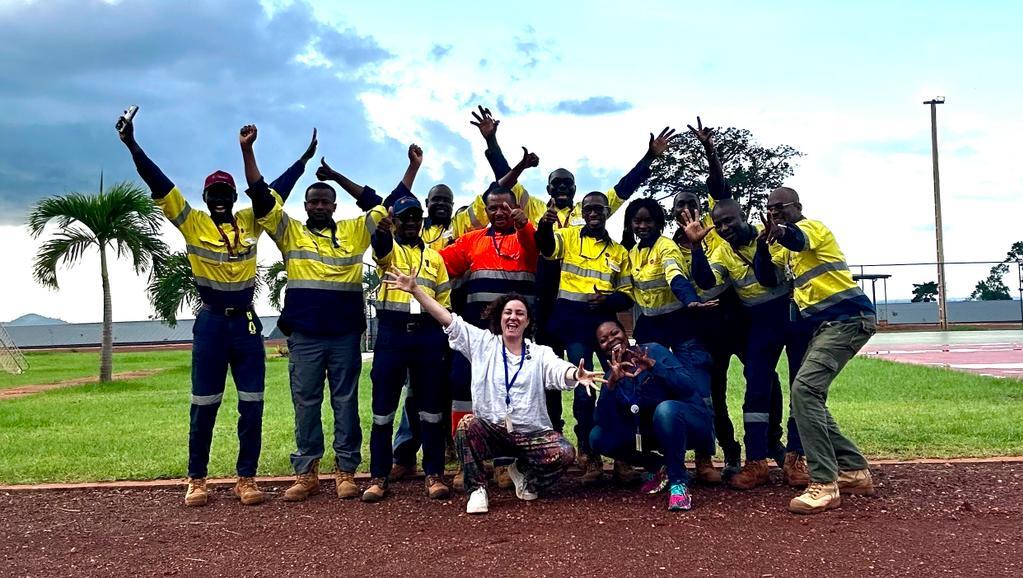
JMJ consultants discuss representation, leadership, and lived experiences of women in construction and capital projects for Women in Construction Week 2026.
To coincide with Women in Construction Week, we spoke with two JMJ consultants about their experience working in and alongside major construction and capital projects.
Globally, women represent around 10–12% of the construction workforce and closer to 5% in field-based roles. While visibility has improved over the past few decades, representation remains low — particularly on large, high-risk projects. Behind those statistics are lived experiences.
In conversations with Principal Consultant Louise Wheal and Senior Consultant Nella Mehissou, what emerged wasn’t a narrative of division but a grounded reflection on progress, persistence, and the practical realities that still shape women’s experience in the field.
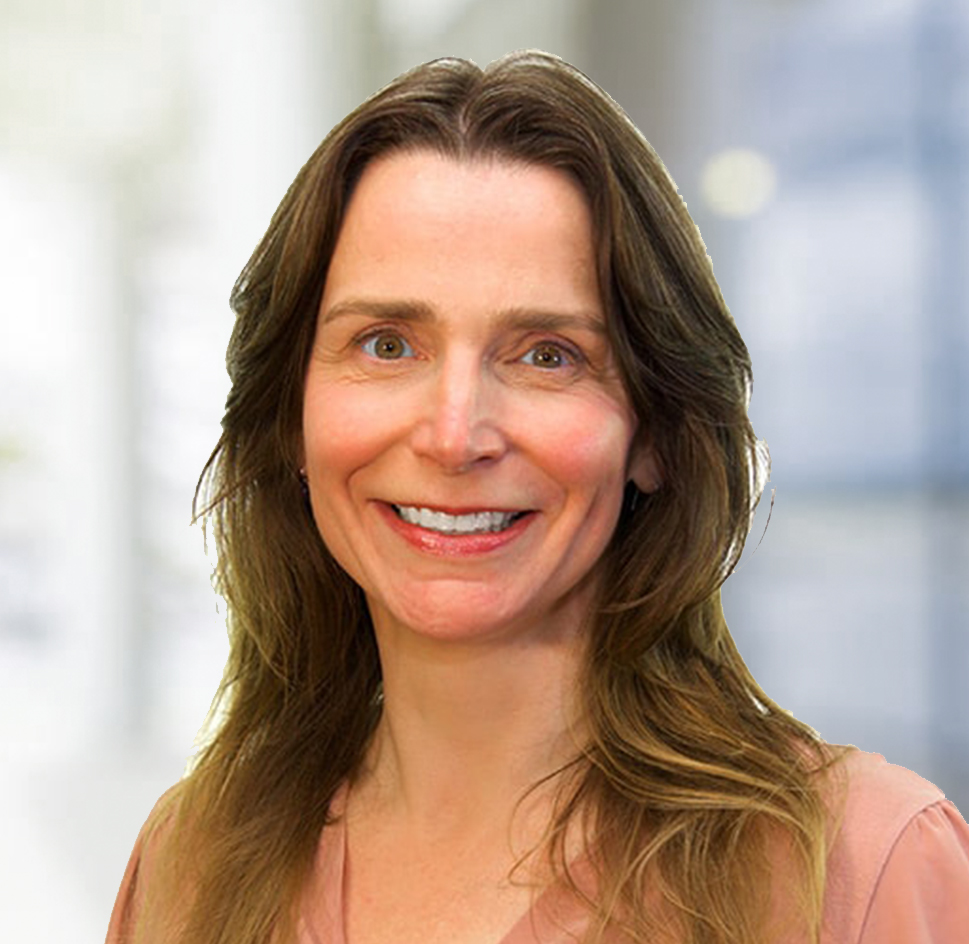
Louise began her career as a project engineer in the early 1990s, working in manufacturing and on construction projects. She soon realized that effectiveness in construction wasn’t only technical.
“My success as a project engineer had much more to do with my understanding of people and relationships than my understanding of the technology.”
Still, building credibility in a male-dominated environment required adaptation. Being heard meant learning how to navigate the room and sometimes adjusting style to fit expectations.
There are more women on projects today than there were 30 years ago. Leadership styles that emphasize collaboration and psychological safety are more widely valued.
And yet, as Louise reflects, it still feels like it “could be better than it actually is.”
Recent conversations with women engineers continue to reveal familiar experiences: ideas overlooked, voices talked over, and credibility questioned before competence is demonstrated.
For Nella, whose work spans international, high-risk environments, the challenge is often even more tangible.
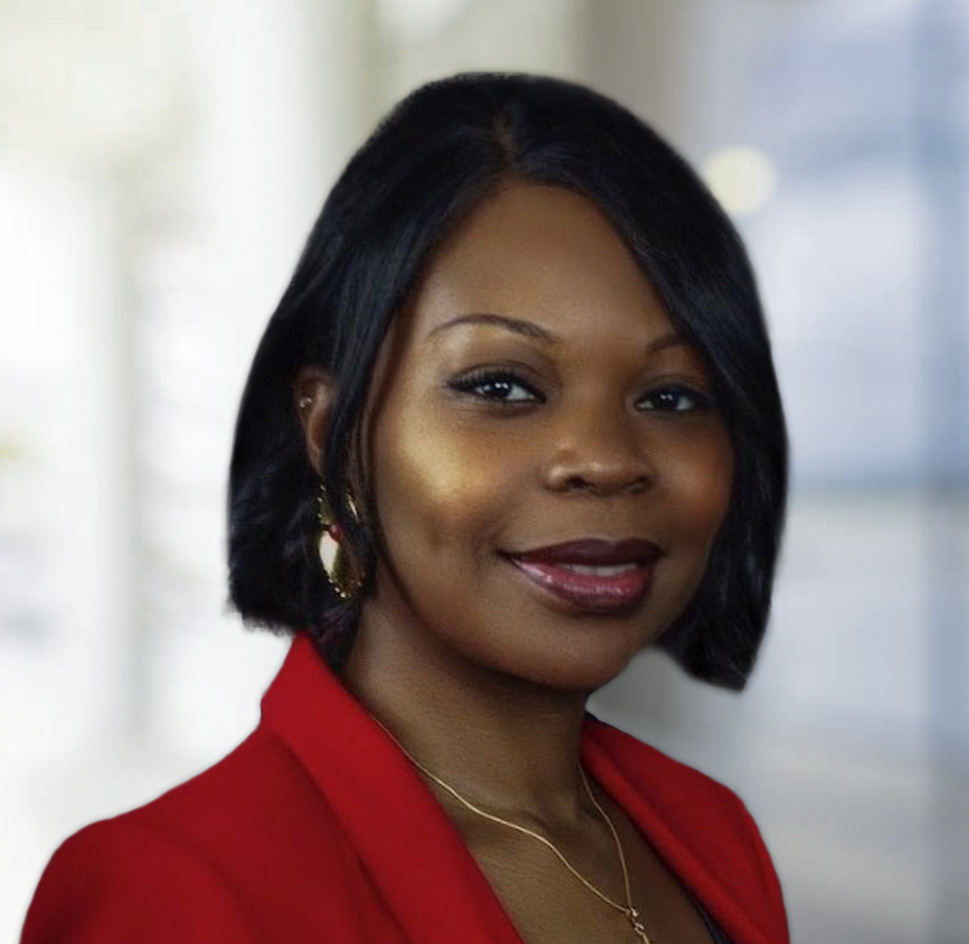
Women remain under-represented — particularly in field-based roles. That under-representation shows up in operational design:
These aren’t symbolic concerns. As Nella puts it,
“The access to the basic needs for women is not always available.”
When the basic necessities like facilities, hygiene, and properly fitting PPE are treated as afterthoughts, it directly affects safety, dignity, and performance.
For example, more dedicated changing facilities in some sectors — but improvements are inconsistent and often dependent on individual contractors rather than standard practice.
Both Louise and Nella describe a noticeable shift when there’s meaningful representation in the room.
“When women are involved, it makes a difference to everyone — not just the women.”
Louise notes that when a workshop includes more than one or two women, the tone changes. People engage differently. Conversations open up. The discussion becomes less dominated by a single style of thinking.
Nella has seen a similar shift in her work across international project sites. When different perspectives are present, the conversation moves beyond purely technical targets and becomes more human-centered. As she explains, “the only piece of the puzzle that can tell you what’s possible or not are the people.”
This isn’t about gender as a headline issue. It’s about balance. In complex, high-risk environments, how people listen, challenge and respond to one another directly affects decision-making and outcomes.
When there is only one woman in the room, she stands out. When there are several, participation becomes normal.
That’s when the conversation shifts.
One recurring theme in both conversations was credibility.
Women in senior roles, particularly younger women or women of color, can still encounter skepticism before they speak. Authority is sometimes assumed rather than earned — and not always equally distributed.
At the same time, progress is visible. There is greater appreciation today for leadership styles that emphasize collaboration, listening, and psychological safety. What was once dismissed as “soft” is now recognized as essential to performance in high-risk environments.
The gap, both Louise and Nella suggest, is less about capability and more about sponsorship and systemic support. When representation in leadership remains low, it signals that development pathways and advancement opportunities are still uneven.
Construction is evolving and the workforce is evolving with it. The opportunity now is to continue reshaping systems, environments and leadership expectations so that participation and performance aren’t constrained by legacy norms or outdated design standards.
Progress doesn’t come from awareness alone. It comes from deliberate decisions:
Women in Construction Week is a moment to acknowledge progress and spotlight lived experiences. As Louise and Nella’s stories remind us, the real work is in re‑shaping the structures, environments, and leadership cultures that determine whether women can not only join the industry — but thrive within it.
Women in Construction Week is an annual, global observance dedicated to recognising the contributions, experiences, and leadership of women across the construction sector. Held during the first full week of March each year, it shines a light on the progress made toward greater equity while underscoring the work still needed to create truly inclusive project environments. Visit Woman in Construction Week
Change starts here. Let’s talk about how JMJ can help solve your safety and performance challenges.