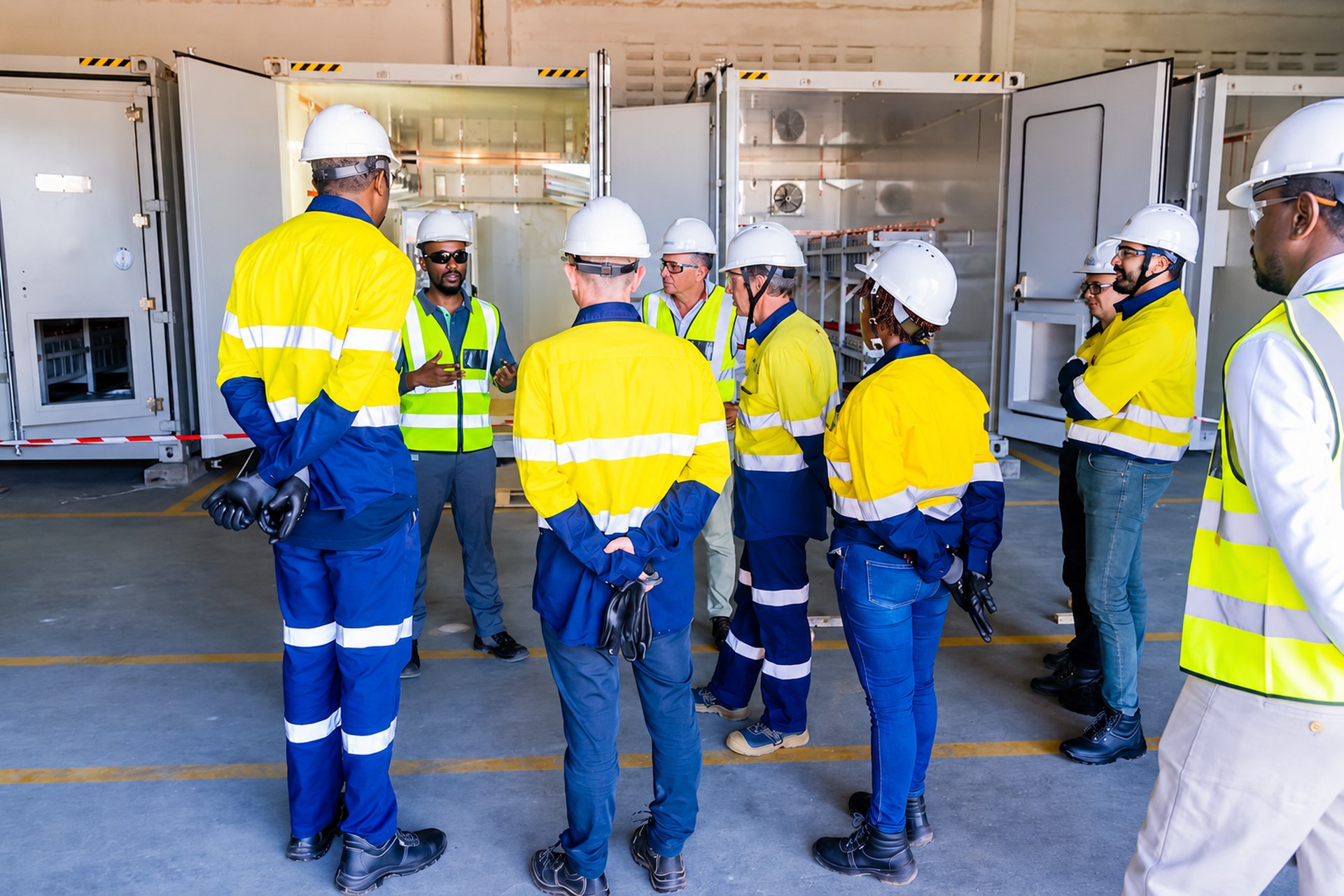
Energy infrastructure workers wearing safety equipment participating in a group safety briefing.

Creating a safety culture across 11,000 people, 33 sites and one energy infrastructure project 

Bringing a shared commitment to Zero Harm to life across a complex, multi-contractor workforce on a major energy infrastructure project that achieved more than 60 million hours without a lost time injury.

60M+
hours without a lost time injury

CHALLENGE

Delivering a major energy infrastructure project at this scale meant bringing together more than 11,000 people across 33 sites, multiple contractors, and diverse communities. Each organization brought its own systems, processes, and ways of working, yet success depended on people operating as one team. 

Project leaders recognized that achieving Zero Harm would require more than standards, procedures, and compliance requirements. They wanted to create a culture where safety was personal, leadership was visible at every level, and everyone understood the role they played in creating and sustaining a safe working environment. 

The challenge was creating a unified approach to Zero Harm that could bring together thousands of people across different organizations, cultures, and locations, with shared expectations, behaviors, and ways of working. 

SOLUTION

JMJ partnered with project leaders to transform their vision of Zero Harm into a lived experience across the workforce. 

The work began by helping people throughout the project understand what the Zero Harm meant for them and the role they could play in achieving it. Through leadership development, Commitment Workshops™, coaching, and workforce engagement, JMJ helped translate the vision into practical actions, conversations, and commitments that people could apply in their daily work. 

Rather than viewing safety as a set of requirements, individuals were encouraged to develop a personal connection to the Zero Harm, strengthen accountability, and take an active role in creating the culture they wanted to see. This helped establish a shared commitment across different organizations, contractors, and teams. 

A defining part of the approach was developing the people who would carry the vision forward. Through facilitator development, Train-the-Trainer™ programs, coaching, and a structured Champion pathway, the project identified and developed leaders, trainers, and Champions from within the workforce. As individuals progressed through the Champion journey, they became advocates for Zero Harm, helping to foster learning, encourage dialogue, recognize positive actions, and support their colleagues across sites and teams. 

CLIENT GOALS

The project set out to create a clear vision of Zero Harm that would unite leaders, contractors, supervisors, and frontline teams across the project. 

Together, the project sought to: 

  • Create a shared commitment to Zero Harm across the workforce 
  • Establish a common language and set of expectations across contractors and work groups 
  • Strengthen leadership commitment and accountability 
  • Encourage active participation at every level of the organization 
  • Build the leadership, skills and expertise needed to sustain the culture over time 

This was not about launching another safety initiative. It was about creating a culture that people would choose to be part of and take responsibility for shaping. 

RESULTS

The project brought together more than 11,000 people across 33 sites around a common vision of Zero Harm and achieved significant safety and capability-building milestones along the way. 

A significant project milestone was the achievement of more than 60 million hours worked without a Lost Time Injury. The project also recorded a 60% increase in near-miss reporting, providing greater visibility of potential risks across the workforce. 

Alongside these safety milestones, the project developed a strong network of leaders, trainers, and Champions who support and sustain the Zero Harm vision across the workforce. This included 407 Zero Harm Trainers, 128+ Zero Harm Champions, including 14 Gold Champions, and 33 Zero Harm Leadership Teams. 

The project also achieved more than 140,000 lifts without a serious injury and 32 million kilometers driven without a fatality. 

By developing leaders, trainers, and Champions from within the workforce, the project built the internal capability needed to sustain it’s commitment to Zero Harm  throughout the project lifecycle.  

KEY TAKEAWAYS

  • Shared commitment unites complex projects
  • When multiple contractors and workforces come together, a shared commitment can create alignment where procedures alone cannot
  • People bring culture to life
  • Lasting transformation happens when people at every level have the opportunity to contribute to the culture they want to create
  • Building capability sustains results
  • Developing leaders, trainers, and Champions from within the workforce expands the organization’s ability to sustain and strengthen its Zero Harm vision