ASSP Safety 2026: Six themes shaping safety leadership
Six themes from ASSP Safety 2026 explore how leadership at every level, workforce capability, psychological safety, and AI are influencing safety and organizational performance.


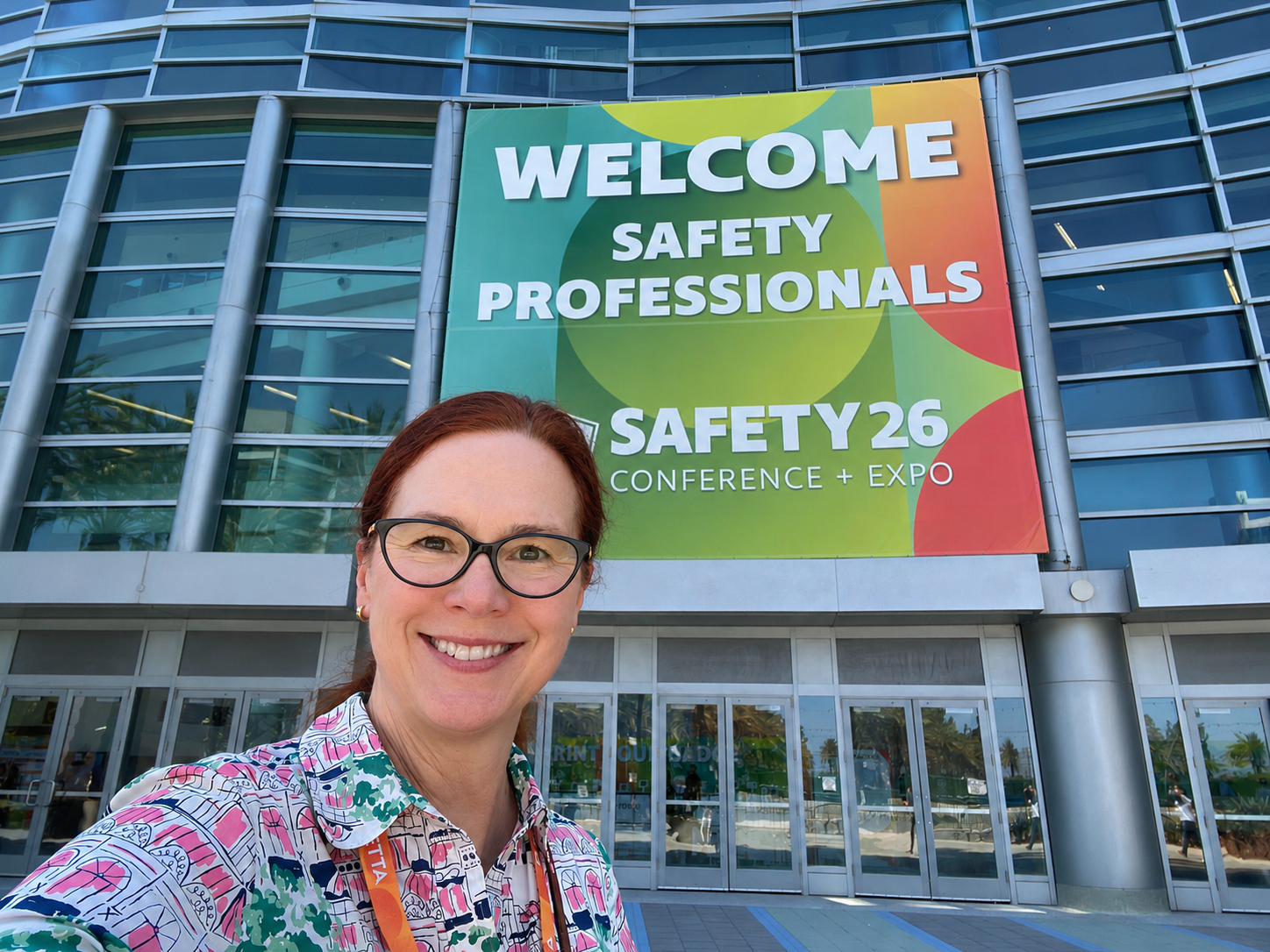
Six themes from ASSP Safety 2026 explore how leadership at every level, workforce capability, psychological safety, and AI are influencing safety and organizational performance.
For three days in Anaheim, thousands of safety professionals, operational leaders and industry experts gathered at the ASSP Safety 2026 Conference + Expo to discuss the challenges shaping today’s workplaces.
From AI and workforce development to leadership and organizational culture, the conference provided an opportunity to hear how organizations are responding to change. Across technical sessions, keynotes and conversations, several themes came through consistently.
The conversations looked beyond traditional safety metrics to consider broader questions about how leadership, culture, and capability influence performance in increasingly complex operating environments.
JMJ’s Jennifer McKeon attended the conference and reflects on six themes that stood out and what they could mean for organizations.
One of the strongest themes throughout the conference was the growing recognition of the connection between safety and business performance.
Conversations extended beyond traditional safety metrics to include operational resilience, financial risk, workforce retention and organizational reputation. Discussions around litigation exposure reinforced the wider business consequences associated with safety performance. Other sessions explored how organizations can better understand their culture by looking at leadership behaviors, psychological safety and operational practices.
Together, these conversations reinforced that safety and business performance are shaped by many of the same conditions, including how people lead at every level, how decisions are made, and how work is carried out in practice.
Artificial intelligence appeared across keynotes, learning strategies, and technology demonstrations, with a consistent message emerging.
Rather than replacing experienced professionals, AI is being used to support decision-making, organize knowledge, and accelerate learning. Organizations shared examples of using AI to support competency development and professional growth while keeping human judgment at the center.
The opportunity is to use AI in ways that help people access knowledge, learn more effectively, and make better-informed decisions. Its value will depend on how it is applied and the experience and judgment of the people using it.
Workforce capability emerged as another clear priority.
The conversations reflected a more deliberate focus on technical expertise, leadership development, and structured career pathways, with learning viewed as an important part of building capability, rather than only fulfilling compliance requirements. As experienced professionals retire and work becomes more complex, building and sustaining workforce capability is becoming a strategic priority that supports long-term performance.
This means looking beyond individual courses or qualifications and considering how people develop knowledge, judgment, and the capability to lead at every level of the organization. It also means creating the learning systems, career pathways, and everyday opportunities that allow those capabilities to develop and be sustained over time.
Psychological safety surfaced throughout the conference in discussions about accountability, leadership, communication, and decision-making.
The focus extended beyond simply encouraging people to speak up to considering how organizations respond when concerns are raised. This means creating conditions where people feel able to raise concerns, confident that those concerns will be taken seriously and used as opportunities for learning and action. Accountability was discussed less as assigning blame and more as creating ownership, understanding context, and learning from what happened.
These conversations reinforced that psychological safety is not separate from operational performance. When people can raise concerns, question assumptions, and talk openly about what is happening, organizations are better able to identify emerging risks, learn from everyday work, and respond before concerns escalate.
Another noticeable theme was the interest in practical ways to build leadership capability at every level.
Many discussions focused on practical frameworks for strengthening communication, decision-making, and accountability, The emphasis was on translating established leadership principles into actions that are relevant across different roles and levels.
The challenged is making those principles visible in how people communicate, make decisions, take ownership, and respond when pressure increases.
Discussions also considered safety across data center projects and operating environments.
As data center development accelerates, the conversations highlighted the importance of leadership capability, workforce development, and learning systems in supporting safe performance across complex projects and operating environments.
The sector has its own demands, but many of the underlying challenges will be familiar to organizations across other industries. These include developing workforce capability, coordinating work across organizational boundaries, and sustaining safe performance as activity and complexity increase.
Organizations are looking beyond compliance and incident prevention when considering safety performance. Technical excellence remains essential, and the conversations also highlighted the importance of leadership, workforce capability, psychological safety, and organization learning.
The conversations in Anaheim did not suggest that established safety systems are becoming less important. Instead, they reinforced that systems, processes, and technical expertise achieve their full value when people can use them effectively.
For senior leaders, the question is not only whether the right systems are in place. It is also whether leadership behaviors at every level, organizational culture, and everyday ways of working allow those systems to remain effective in practice and under pressure.
ASSP Safety 2026 is organized by the American Society of Safety Professionals. The annual event is designed to help safety professionals build knowledge, expand their networks and stay current with developments across the field.
Learn more about ASSP Safety 2027 | Annual Safety Conference + Expo.
Change starts here. Let’s talk about how JMJ can help solve your safety and performance challenges.