Turning a contractual safety requirement into a world-class safety culture on a major capital project
Building a high-performance safety culture by strengthening leadership at every level across a complex, multinational project.


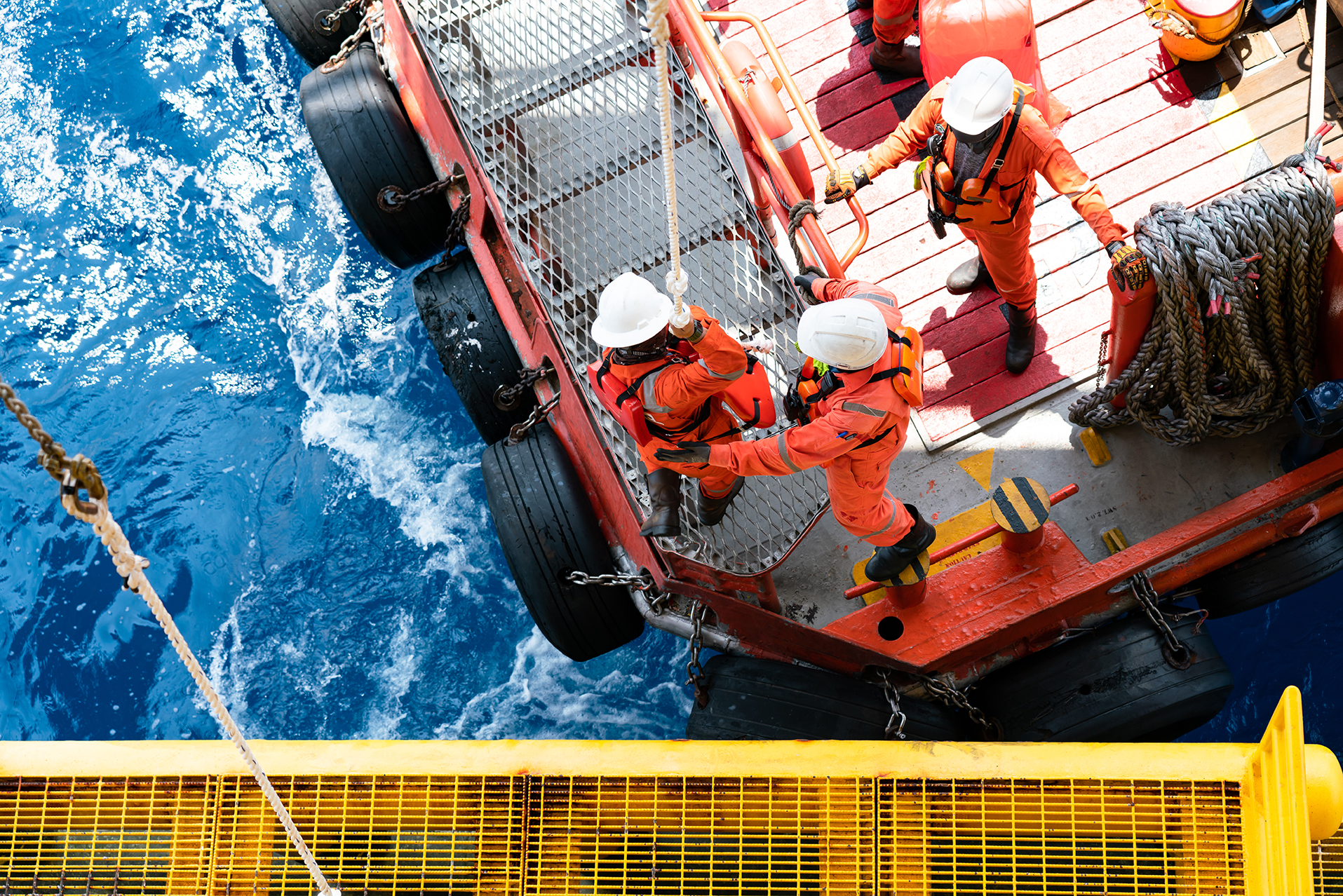
Building a high-performance safety culture by strengthening leadership at every level across a complex, multinational project.
A major international EPC contractor was responsible for delivering work on a large-scale energy infrastructure project. Building a high-performance safety culture required aligning leaders, contractors, and a complex, multinational workforce around a shared way of working.
The engagement began with a contractual requirement set by the project owner. However, meeting that requirement involved far more than demonstrating compliance. The main contractor needed to ensure that safety expectations were consistently understood and applied across a diverse workforce, including multiple subcontractors with different languages, cultural norms, and ways of working.
The multinational nature of the project added another layer of complexity. The main contractor was a Korean construction company working alongside subcontractors from a range of national and cultural backgrounds. Differences in language, communication styles, and working practices increased the risk that safety would be approached differently across the project.
While the contractor had previously implemented Incident and Injury-Free™ (IIF™) principles in its home market, this was the first time it had applied the approach on a major international capital project with a complex, multinational workforce. This created additional risk, as inconsistencies in communication, decision-making, and execution could undermine the approach.
Achieving a high-performance safety culture required more than training. It required creating the conditions for leaders, supervisors, and frontline teams to work together to build and sustain a high-performance safety culture.
JMJ partnered with the contractor to co-design a tailored project safety approach that reflected the cultural, operational, and leadership realities of a complex international EPC environment.
Rather than delivering standalone activities, the work focused on aligning senior leaders, strengthening supervisor capability, developing safety Champions, and building capability through practical coaching in the field.
Approximately 1,200 engineers, supervisors, foremen, subcontractors, and client representatives participated in sessions that strengthened their ability to lead safety through everyday actions, conversations, and decision-making.
The work was anchored by 70 days of field coaching across day and night shifts. Field coaching included Champion coaching, supervisor coaching, Task Instruction coaching, Listening Tours, safety awareness stand-down meetings, and ongoing support.
To strengthen ownership across the project, Area Leadership Teams and a network of 75 Champions were established. Together, they fostered accountability within each operational area and helped strengthen the project safety culture across the subcontractor community.
A key differentiator was JMJ’s ability to tailor the project safety approach to the project’s cultural context. By combining an understanding of Korean organizational culture with extensive regional EPC experience, the JMJ team was able to engage effectively with leaders, supervisors, and subcontractors across the project. This helped build trust, navigate communication barriers, and support effective engagement between the main contractor, subcontractors, and site teams.
From the outset, the project safety approach was designed to be sustained by the contractor. JMJ worked with the contractor to develop a tailored vision and roadmap to sustain and strengthen the safety culture, embedding capability within leaders, supervisors, and Champions.
The contractor wanted to establish a consistent, world-class approach to safety that could be applied across the entire project..
Key goals included:
The contractor transformed a contractual safety requirement into a shared commitment to safety across a complex, multinational workforce.
By aligning leaders, supervisors, and frontline teams around a shared approach to safety, the project established a common understanding of how safety is led and carried out in day-to-day operations.
This translated into greater consistency across contractor and subcontractor teams, strengthening collaboration and creating a more predictable and reliable approach to project delivery.
At the same time, senior leaders demonstrated greater ownership of safety while supervisors and frontline teams took increased responsibility for leading safety through everyday decisions and actions, helping establish a high-performance safety culture that could be sustained beyond the initial engagement.
Change starts here. Let’s talk about how JMJ can help solve your safety and performance challenges.