What does it take to make safety part of how a business performs every day?
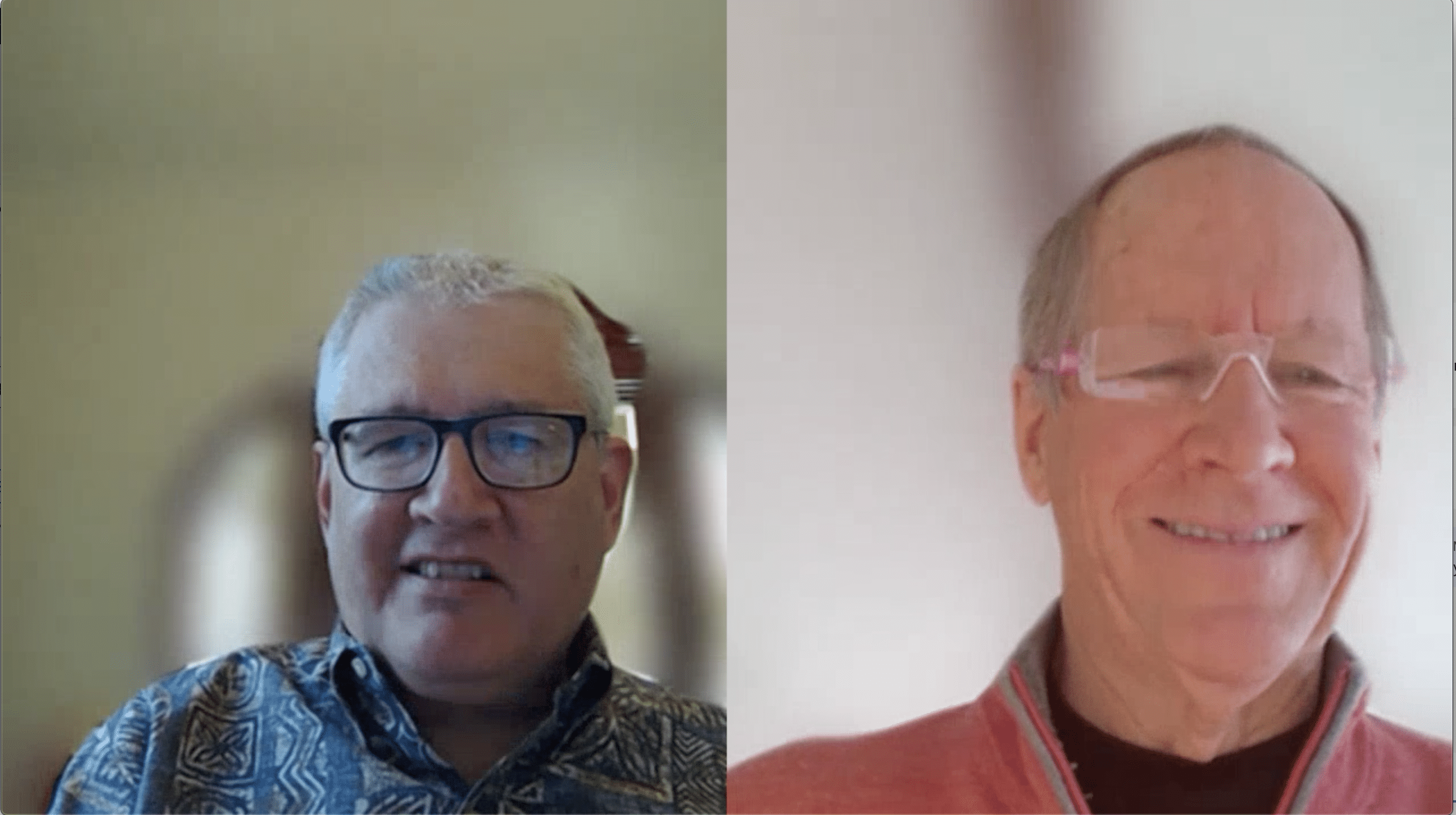
For Dana Davis, President of Teichert Materials, safety and operational excellence go hand in hand. In this conversation with JMJ, Dana shares how Teichert’s approach to safety has evolved, why leadership matters, and how safety culture and business performance are connected.
Tell us a little about your role and Teichert
I have been with Teichert since 2000, and I’m president of Teichert Materials, which includes aggregates, asphalt and concrete plants, and a habitat land restoration services business.
How did Teichert’s approach to operational excellence evolve, and what role did safety play?
For Teichert, safety started in 1959, when Henry Teichert, the leader at the time, started mentioning safety in corporate communications. It was well before OSHA, which came about in 1970. So, safety has been part of Teichert for a long time and has matured over time. Safety is a journey we have been on. It isn’t necessarily a destination; it’s constantly evolving.
When I think back to when I came on board in 2000, safety was part of our dialogue. We talked a lot about zero injuries. When comparing our processes from then to now, we have seen a lot of maturity, not just from leaders and managers, but also from our workforce. And we have seen this not just in our company, but throughout most of the construction industry.
The major construction companies I know have placed significant importance on safety. For Teichert, safety isn’t a goal, it’s not an objective. For us, safety is a value. It’s something that’s in your heart and mind. It’s got to resonate in your heart first. I believe this is very true for all our employees.
We spend a lot of time talking about safety in our operational excellence model. Operational excellence is about safety, quality and production and how they all fit together.
Operational excellence is about safety, quality and production and how they all fit together. — Dana Davis, President of Teichert Materials
In our early days, our approach was having zero injuries. Today we have a zero-injury culture. There is a difference, and this is something I’m very proud of. Our zero-injury culture came up through the organization and is consistent with our values.
Our goal at the start of each day is to make sure everyone goes home safe every day. It’s genuine, and it’s core to everything we have done, helping our workforce relate to safety as a value and not just a business goal.
If we have an injury or an incident, we want to learn from it. We put changes in place and communicate them as effectively as possible to help prevent it from happening again.
Someone once told me that safety might be the only subject in business where everyone is on the same page. No one wants to see someone get hurt.
How has Teichert’s commitment to safety influenced performance across the wider business?
I believe safety has been a good channel for us to talk about all other aspects of our business. It does make sense that everyone should go home safe every day. It’s something that everyone can understand and relate to.
We have lots of other things in common with our people, for example, having our business prosper. Our employees have learned that strengthening their practices carries not just into the safety realm but across all our business processes.
So, when I think about operational excellence, with safety at the forefront, it can help drive the other conversations needed to prosper as an organization.
Safety is clearly personal to you. Has that always been the case?
I notice my relationship to safety in the things that I do outside of business. One of my hobbies is woodworking, and there are things that I used to do 20 or 10 years ago that I wouldn’t even consider doing today in my workshop.
Our employees are doing dangerous work daily, working on plant equipment and operating large mobile equipment. Based on not just Teichert’s results, but construction industry results, we have shown we can work safely.
I came into business from the sales side. I learned quickly how important relationships are to keeping your customers satisfied and wanting to do business with you in the future. As I thought about my growth as a leader, even though sales was my starting point, safety as a value resonates with being a president.
I don’t want anyone to get hurt on my watch. I want to do whatever I can to support the team and make sure the work processes are safe so that everyone can go home to their family. It’s what I want to do every evening. I want to go home to my family. I love my job. I love the company I work for, and I also love my family. I don’t want to have to sacrifice any of those things because I took a shortcut or because I, as a leader, sent the wrong message.
One of the most important moments for me happened several years ago when we used to talk about stopping work. We used to do it in terms of a Red Light, Yellow Light and Green Light. Now there is no Yellow Light. If there is some uncertainty about what we are doing, let’s stop it. We make Yellow a Red until we can put a process and the training in place that makes it Green.
That was a simple thing and a big wake-up call that we needed as a team: either shift things to Green if we were certain, or not do them.
This applies to COVID-19. We are keeping our physical distance, but there is work at times when people must get together. We’ve put processes in place where the crews can figure out if there’s another way of getting the job completed. If there isn’t, they determine how we can get it done safely so no one is exposed. We are making sure that this thinking is built into all of our tasks.
The point is, we are thinking through our processes and integrating safety, whether it’s COVID-19 today or everyday tasks. We are ensuring nothing serious happens to our people.
I’m proud of our organization and how we have all adapted, matured and grown our practices and processes from 20 years ago to where we are today. We’re ensuring we keep each other safe.
What stood out to you about JMJ’s work with Teichert?
There are three things that really stand out when I think of JMJ. One is the people. The people we worked with from JMJ are smart, interesting and passionate.
The second is the networking aspect. Some of the reasons why Teichert is safer today compared to our past results are due to the connections we made with other clients that JMJ had. For example, we’re using Occ-Care International, a group of physicians who help and coach us to be safer and work with various clinics on workers’ compensation claims. This led us to work with a group called Vibrant Care, who are athletic trainers.
They go out to our plants and work with our employees, not only helping them understand how to stretch, but also helping them become more comfortable and healthier in their lives. We have seen tremendous value in these partnerships, and it wouldn’t have happened if it hadn’t been for the JMJ connections.
To me, the biggest difference between JMJ’s work and other consulting firms is that JMJ’s work is relationship-based. I don’t mean behavior-based safety or anything like that. Your Toolbox Talks, for example, motivate the kinds of conversations that lead people to respond in interesting ways. This has helped us have a better dialogue about safety at the plants. This is very different from the traditional tailgate topics that we’ve seen.
Your work is about building relationships, using relationship-based questions to get people to open up and talk about things that affect them at work as well as outside of work.
In a nutshell, JMJ has smart, passionate people who care, and that energy resonates with our leaders and our employees. The relationships that you bring to the table, in my mind, really do differentiate you from other individuals and companies that we work with.
At Teichert, safety isn’t separate from how the business performs. It is part of how people lead, make decisions and work together every day.
Learn more about how JMJ helps organizations strengthen safety leadership and culture