How major projects fail, and what the best project leaders do differently
The hidden gap between technical plans and human reality that shapes every mega project’s success.


The hidden gap between technical plans and human reality that shapes every mega project’s success.
Why do 70% of major capital projects fail, even when the strategy looks robust and the systems are world-class?
Because delivery and people climb different mountains. One is about scope, schedule, and cost. The other is about culture, safety, and human connection. The gap between them quietly determines whether a mega project succeeds or fails.
Our work on one of Africa’s largest transboundary infrastructure projects has shown that transformation happens when we connect both sides. When the technical heartbeat of execution aligns with the human energy that sustains it. What follows is a reflection on what we’ve learned from project leaders, workers, and teams who are committed to making safety not only a KPI, but a way of living and working.
98% of megaprojects exceed budgets, and 77% run late (McKinsey). Meanwhile, the human toll is staggering: 2.93 million people die each year due to work-related causes (ILO), and US $1 trillion is lost annually to anxiety and depression at work (WHO).
While we race to solve the ‘project challenge,‘ are we overlooking the ‘people challenge’?
‘Industry’s most respected voices are saying the same thing: the challenge isn’t only in systems and schedules; it’s in culture and leadership. (Major Projects Association).
What leaders are saying is simple and profound: even the best plans fail when people stop believing, speaking up or connecting.
Leaders begin with a vision of excellence, but in the field, reality hits quickly: language barriers, fatigue, inconsistent leadership, siloed communication and thousands of people trying to build one shared outcome.
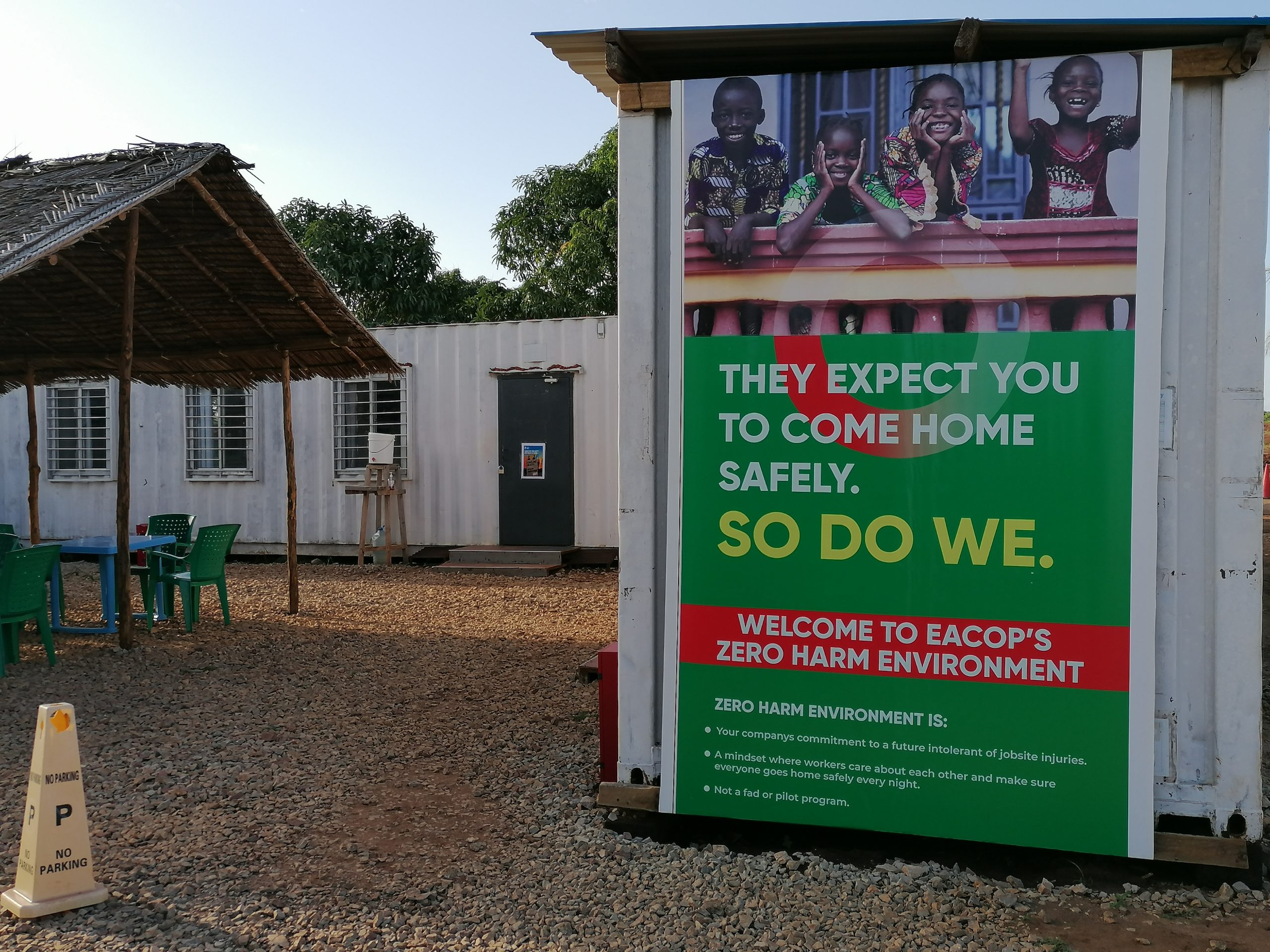
We saw this firsthand on a 1,443 km transboundary pipeline connecting Uganda to Tanga Port in Tanzania. The project embodies the full spectrum of a modern megaproject, technical innovation (as the longest heated pipeline in the world), regulatory complexity, and cross-cultural collaboration. Designed to minimize social and environmental impact, it combines cutting-edge engineering with deep human engagement.
This is where our approach makes the difference: connecting the technical heartbeat of the project with the human energy that keeps it alive.
The project’s construction manager once called JMJ “our angels.” That’s how many describe the change we bring: not just systems or structure, but energy, ownership, and human connection that re-awaken purpose and belonging and a sense of being valued.
Our work touches every level of the organization, from senior managers to frontline supervisors and local champions, with a shared visions, consistent communication, and a collective commitment to safety and project success. Through tailored development sessions and team launches, leaders and workers connect around a common purpose: to voice concerns, share ideas, and take responsibility for themselves and others. The result is a living culture of ownership where safety and performance aren’t instructed; they’re inspired.
Here, the client’s safety goal provides the shared language for how work happens. It goes beyond metrics to describe an environment built on trust, inclusion, and psychological safety. Our work helps leaders and teams turn that aspiration into daily behaviors and a culture that learns.
One participant from a Train-the-Trainer workshop shared:
Since the last development session, I’ve been processing a mix of shock and joy. With 15 years in safety, I thought I’d seen it all—until this workshop. It showed me a new way to reach people’s hearts and shift their mindset. For the first time, I feel transformation within myself.”
These moments sparked a movement. Over 180 champions now lead space for listening, learning, and insight-sharing, building trust and psychological safety across the project—showing how transformation grows one conversation at a time.
What changes when people truly connect?
Here are just a few examples of what people are telling us:
“Safety is not a goal—it’s a journey.” “There is more to safety—it’s the enrichment of the environment we are surrounded with.” “I’ll focus more on relationships with my colleagues.”
Culture maturity is rising. Leadership behaviors are evolving. Conversations are changing, and with them, ownership is spreading across every level.
At JMJ, we believe in one simple truth: everyone deserves a workplace where they feel safe, valued, and empowered to learn and succeed.
If you share this belief, let’s talk. We’ll help you refocus on what truly matters and build the outcomes your people and your projects deserve.
Change starts here. Let’s talk about how JMJ can help solve your safety and performance challenges.